Attic Airsealing
Professional Attic Air Sealing and Thermal Performance
Attic air sealing is the process of closing the hidden gaps and cracks between the living space and the attic. While insulation blocks heat transfer, air sealing stops the actual movement of air. In most Southern California homes, conditioned air escapes through hundreds of small openings around light fixtures, plumbing stacks, and wall plates.
Without proper attic air sealing, even the most expensive insulation will not perform at its rated R-value. This is due to the stack effect, where warm air rises and escapes through the roof, pulling cold drafts in from the crawlspace or windows. My Insulation Guy specializes in identifying these invisible leaks and sealing them with high-grade foams and caulk, making sure your home remains pressurized and energy-efficient.
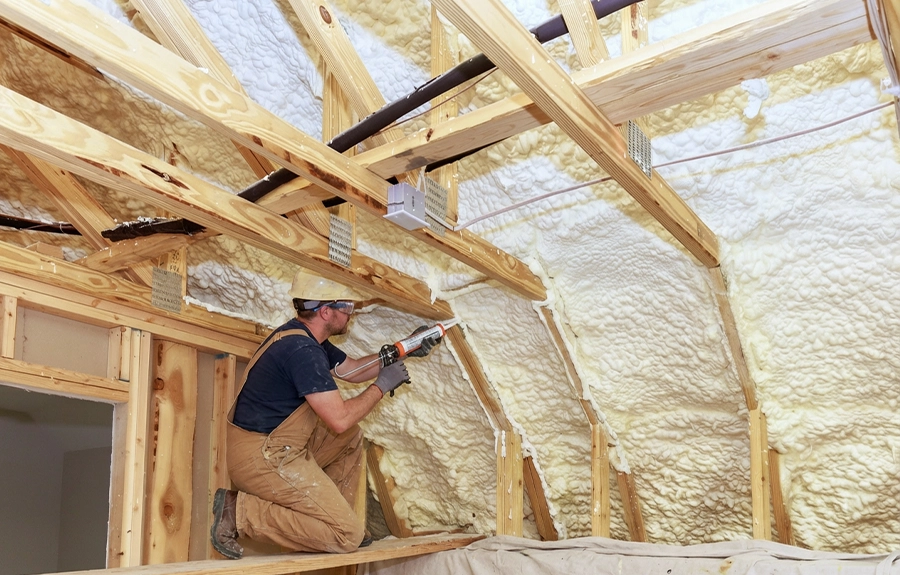
Identifying Key Leak Areas
Most air leaks are hidden beneath existing insulation and are only visible once the attic has been professionally vacuumed.
Top Plates: The horizontal wood beams at the top of your walls often have gaps where wires and pipes pass through.
Recessed Can Lights: Standard can lights are notorious for acting like chimneys, venting your AC straight into the attic.
Plumbing Stacks: Large gaps around the main waste lines allow massive amounts of air to bypass your insulation.
Chases and Drop Ceilings: The empty spaces above cabinets or bathtubs are often completely open to the attic.
Electrical Junction Boxes: Small holes drilled for wiring contribute to a significant total surface area of air loss.
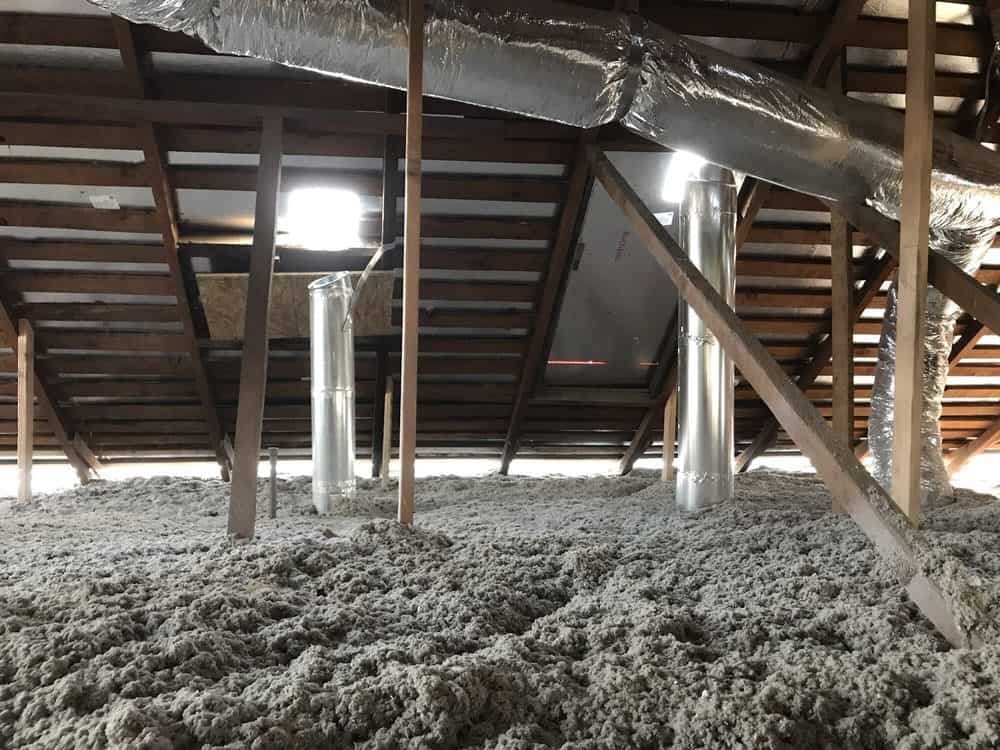
The Technical Benefits of an Air-Tight Attic
Investing in attic air sealing provides a level of comfort and efficiency that insulation alone cannot deliver.
Elimination of the Stack Effect: By closing the top of the chimney, you stop the cycle that pulls outdoor pollutants and dust into your home.
Prevents Insulation Contamination: Air leaks often carry moisture and dust. Sealing these gaps prevents your fiberglass or cellulose from becoming filtered by dirt over time.
Enhanced HVAC Longevity: When air isn’t leaking out, your system reaches its target temperature faster and stays there longer, reducing mechanical wear.
Ice Dam Prevention: In colder mountain regions of San Diego and Riverside, air sealing prevents warm air from melting snow on the roof, which stops ice dams from forming.
Our Advanced Sealing Methodology
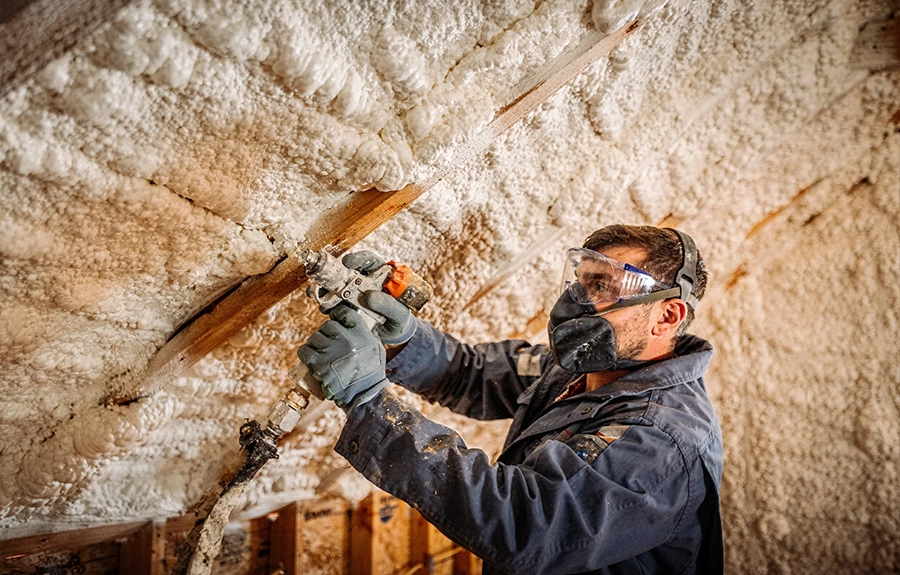
My Insulation Guy uses a systematic approach to make sure every bypass is accounted for before we lay down new insulation.
The Blower Door Test: We can utilize pressure testing to find leaks that are invisible to the naked eye.
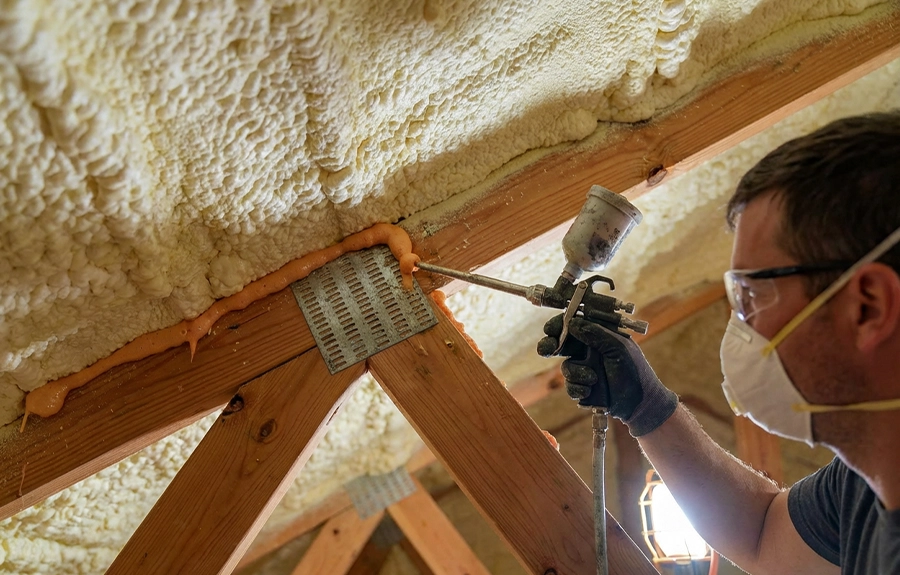
High-Expansion Foam: For large gaps like plumbing chases, we use expanding polyurethane foam to create a permanent, airtight bond.
Fire-Rated Sealants: Around chimneys and flues, we use specialized high-temperature caulk to ensure safety and code compliance.
Rigid Blocking: For very large openings, we install rigid foam board or plywood gaskets, sealed at the edges with spray foam.
Get a Quote for Attic Air Sealing
My Insulation Guy offers expert attic air sealing services across Riverside, San Diego, and Orange County. Call or request a quick quote today for a thorough attic bypass inspection. We identify the specific leak points in your home and provide a permanent solution to stop energy waste.
Reach out now to seal your home’s thermal envelope.
Frequently Asked Questions
Why do I need air sealing if I already have thick insulation?
Attic air sealing is the windbreaker layer. Without it, air flows right through the insulation (especially fiberglass), carrying your expensive AC or heat with it.
Will air sealing make my house too tight and cause mold?
We seal the bypass leaks that cause energy waste, but we make sure your attic still has proper ventilation through soffit and ridge vents. This allows the attic to breathe while keeping the living space isolated, which actually prevents mold by stopping indoor moisture from reaching cold roof surfaces.
Can you air seal an attic if I already have blown-in insulation?
To perform high-quality air sealing, the attic floor must be visible. If there is existing blown-in material, it usually requires insulation removal and vacuuming first. Sealing blind through insulation is ineffective because we cannot see the small cracks in the top plates or the wiring penetrations, where the most significant leaks occur.